
Running Sock Features, Decoded: What Actually Prevents Blisters (And What's Just Marketing)
Anti-blister, moisture-wicking, arch support, compression: sock companies throw a lot of labels at you, and most of them mean less than you'd think. Here is which features are backed by a real mechanism, which are fluff, and our picks by height, cushion, and fit.
Socks are the cheapest, most overlooked piece of gear in your closet, and also one of the only things standing between your skin and 13.1 or 26.2 miles of friction. Somehow that combination has made running socks one of the most over-marketed categories in the sport. Anti-blister. Moisture-wicking. Targeted compression. Arch support built right in. Half of it is real. Half of it is a label slapped on a sock that does nothing special at all.
Here is what actually holds up, feature by feature, plus a quick finder to match you to a real pick based on your height, cushion, and fit preferences.
Quick Top Picks:
- Best Anti-Blister (Double Layer): Wrightsock Double-Layer CoolMesh II
- Best for Hot Feet / Minimal Cushion: Swiftwick Flite XT Trail Five
- Best Toe Socks (Interdigital Blisters): Injinji Performance Trail Midweight Crew
Sock Features, Decoded: Real Mechanism vs. Marketing Label
Double-layer construction is real, and it's the best-documented anti-blister feature that actually exists. Two layers of fabric rub against each other instead of your skin taking the friction directly. That is a specific, mechanical answer to blisters, not a vague claim.
Toe socks are real too, and they solve a different problem double-layer socks can't touch. Wrapping each toe individually eliminates toe-on-toe friction, which is a distinct cause of blisters no amount of "anti-blister" labeling on a standard sock will fix. They take a run or two to get used to. Worth it if blisters between your toes are a recurring issue.
Moisture-wicking is real, but oversold. The fabric does pull sweat outward to evaporate faster than cotton would. What it does not do is keep your feet dry. Your feet still sweat. Wicking just moves that moisture along instead of letting it pool, which is a meaningfully smaller claim than the marketing copy usually implies.
"Anti-blister" as a standalone label often means nothing at all. Unless it's attached to an actual mechanism (double-layer, toe socks, genuinely accurate sizing), it's frequently just a moisture-wicking sock with a more aggressive sticker. Ask what specifically the sock is doing differently before trusting the label.
"Compression" running socks are mostly a fit claim wearing a medical word. Real graduated compression requires specific, measured pressure. Most running socks calling themselves compression are just snug through the arch, closer to "fits well" than any genuine circulation benefit.
Built-in "arch support" is a knit band, not a support structure. It can make a sock feel more secure. It is not doing the job of an insole, no matter how the packaging phrases it.
And max cushion has a real, under-discussed tradeoff: heat and moisture. More material wrapped around your foot means your feet run hotter and stay damper longer, which is exactly the condition that causes blisters in the first place. A sock marketed specifically as blister-resistant can work against its own promise on a warm, sweaty long run. Test any max-cushion pair on a shorter run before trusting it on race day.
Now that you know what's actually worth paying attention to, answer four quick questions and get matched to a real pair.
What sock height do you prefer?
That's one specific match based on what you told it. If you'd rather browse everything yourself, or want to see how your match compares to the rest of the lineup, each section below breaks down every pick by height. Click to expand.
Best No-Show Running Socks
The most popular height for road running, no tan line, no fabric peeking over your shoe. It's also the most crowded category, so this is the section worth actually clicking through if you're deciding between a minimalist feel and real cushioning.
Best Quarter-Length Running Socks
I run in a quarter-length sock exclusively, and it's not close. Years ago I ran a half marathon in whatever generic cotton ankle socks Costco had on the shelf, adidas or Puma or whatever was cheapest that week, and finished with feet that looked like they'd been through a meat grinder. Too small, no real technical fabric, and honestly probably the wrong length for what a half marathon actually demands of your feet. Since switching to a real quarter-length technical sock, that has never happened again.
Best Crew & Wide-Fit Running Socks
If you wear a wide shoe, or you've ever had a "wide-fit" sock that somehow still squished your toes together, you already know standard running socks aren't built with real width variation in mind. I wear a size 14 shoe and have gone through this exact problem with socks marketed specifically as wide that just weren't. Don't assume a label means the fit is actually there. Check real reviews from wide-footed runners specifically, not just the product description.
Wide feet is a shoe-fit problem as much as a sock problem, worth checking both at once if you're rebuilding your setup from the ground up.
How to Actually Pick
Start with height, since it's the least negotiable choice. No-show if you don't want a tan line or any fabric peeking over your shoe. Quarter for a middle ground that still covers the ankle bone. Crew if you're on trails and want debris kept out, or if you just prefer more coverage.
Then be honest about your actual failure mode. If you get blisters between your toes specifically, a toe sock is a real, mechanical answer, not a marketing one. If your feet run hot and sweaty, skip max cushion regardless of how hard it's marketed as blister-resistant. If you have wide feet, don't trust a "wide fit" label until you've checked real reviews from people with the same problem you have.
Buy for your longest run, not your shortest. A cheap cotton sock is fine for a quick 3-miler. It is not fine for a half marathon, as I learned the hard way. Technical fabric and real fit matter more the longer you're out there.
If you're still working out the rest of your gear setup, our Shoe Finder matches you to real trainers by category and budget, and our piece on building a shoe rotation covers when you've actually earned a second or third pair, not just when a store wants to sell you one.
This article contains affiliate links. If you purchase through them we may earn a small commission at no additional cost to you.
PR Nerd builds your free personalized training plan with calibrated paces for every workout type. Build your plan here.
Related Articles
How to Prevent Running Blisters and What to Do When You Get One
Running blisters aren't inevitable. Learn how to prevent hot spots with proper shoes and socks, use moleskin and lacing adjustments, and safely care for an active blister.
6 min readHow to Pick the Right Running Watch (Without Paying for Features You Will Never Use)
Running watches range from $99 to over $1,000, and the marketing makes it worse. Here is what GPS accuracy, VO2 max tracking, AMOLED displays, and battery life actually mean, and how to figure out which features you will actually use.
9 min readHow Often Should You Race? The Tune-Up Race vs The Endless Race Calendar
A 5K here and there can sharpen your training. A half marathon every few weeks can quietly wreck it. Here is how to tell the difference.
5 min read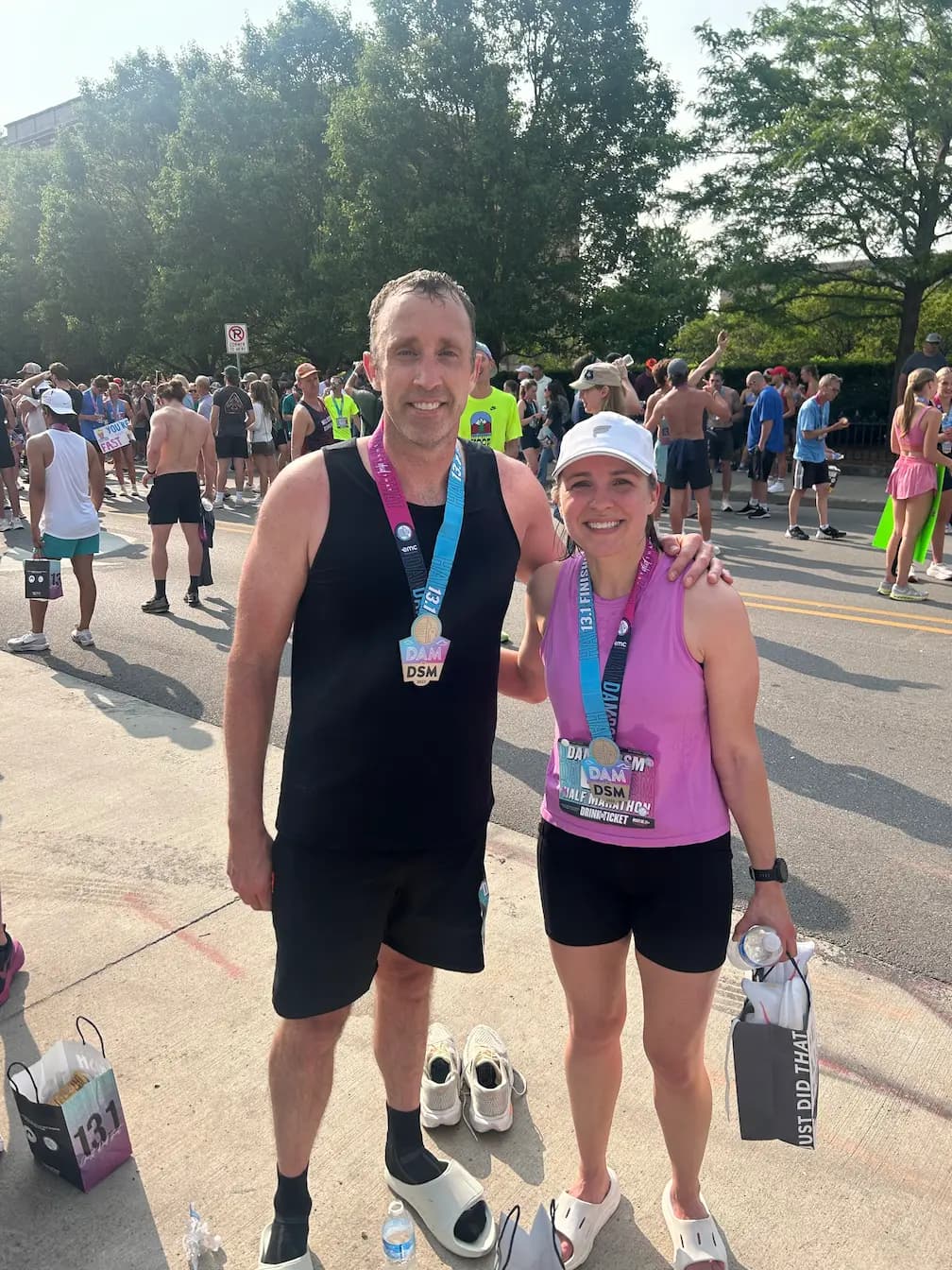
Phil Parker
Phil is a seasoned distance runner and web developer based in Iowa. He has run 15+ half marathons and 2 full marathons, and built PR Nerd because he was tired of paying for running apps that did not use real training science.
More about Phil →Comments
No comments yet. Be the first.
Leave a comment
Not published
0/1000
Ready to put this into practice?
Build your free personalized training plan based on your actual fitness — not your goal.
Build my plan →Get monthly running research, pace strategies, and fresh training articles. Zero fluff.