
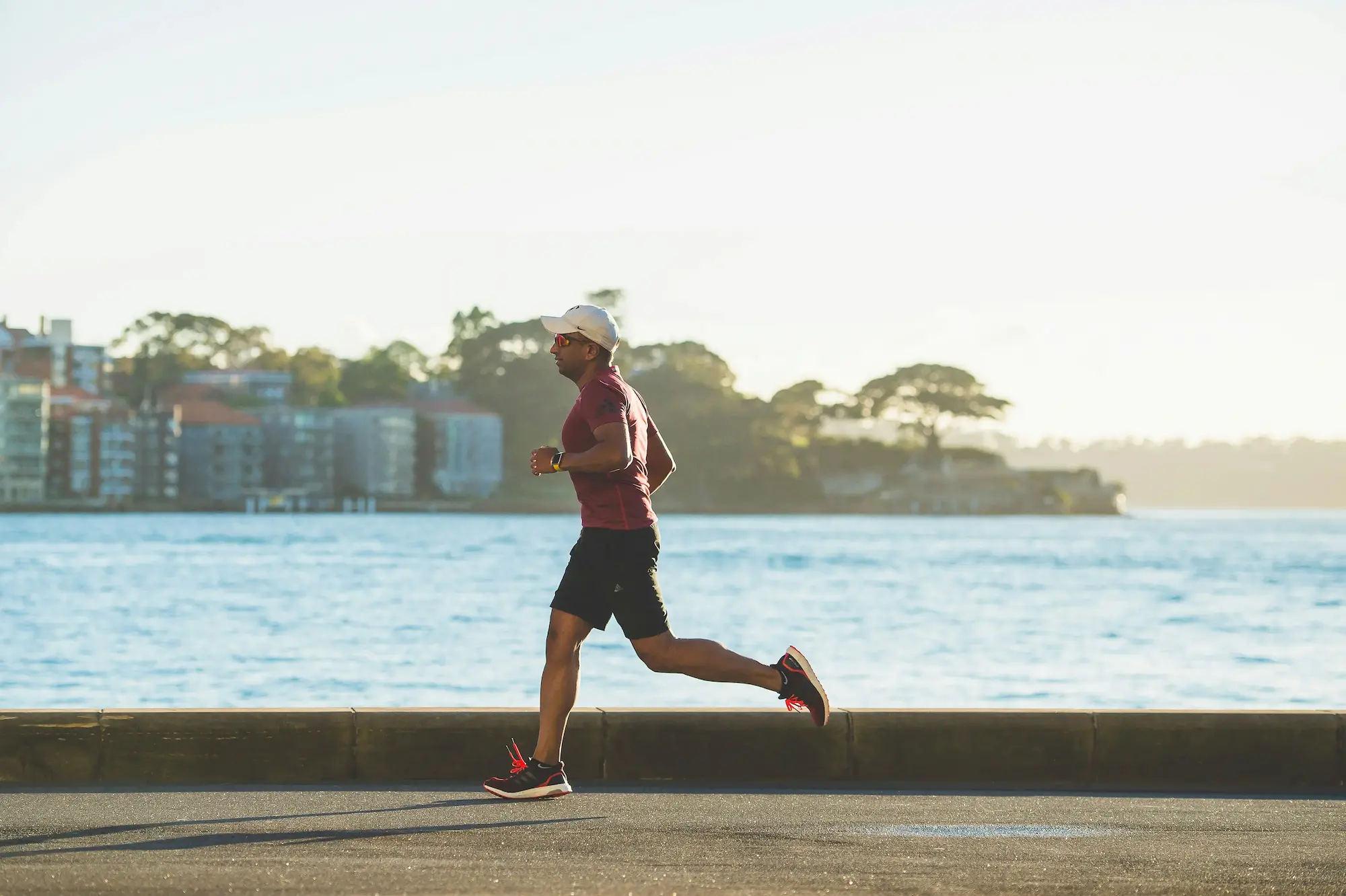
How to Prevent Running Blisters and What to Do When You Get One
Running blisters aren't inevitable. Learn how to prevent hot spots with proper shoes and socks, use moleskin and lacing adjustments, and safely care for an active blister.
A single blister can ruin a solid training block faster than a missed workout. What starts as a minor hot spot at mile three can turn into a full gait-altering disaster by mile eight.
Running blisters are primarily caused by repeated friction and shear between your skin, socks, and shoes. Heat and moisture can make that friction worse by softening the skin.
While high-mileage half marathon and marathon training can make occasional hot spots more likely, many running blisters are completely preventable.
Here is the step-by-step system for keeping your feet intact, from picking shoes to treating an active blister.
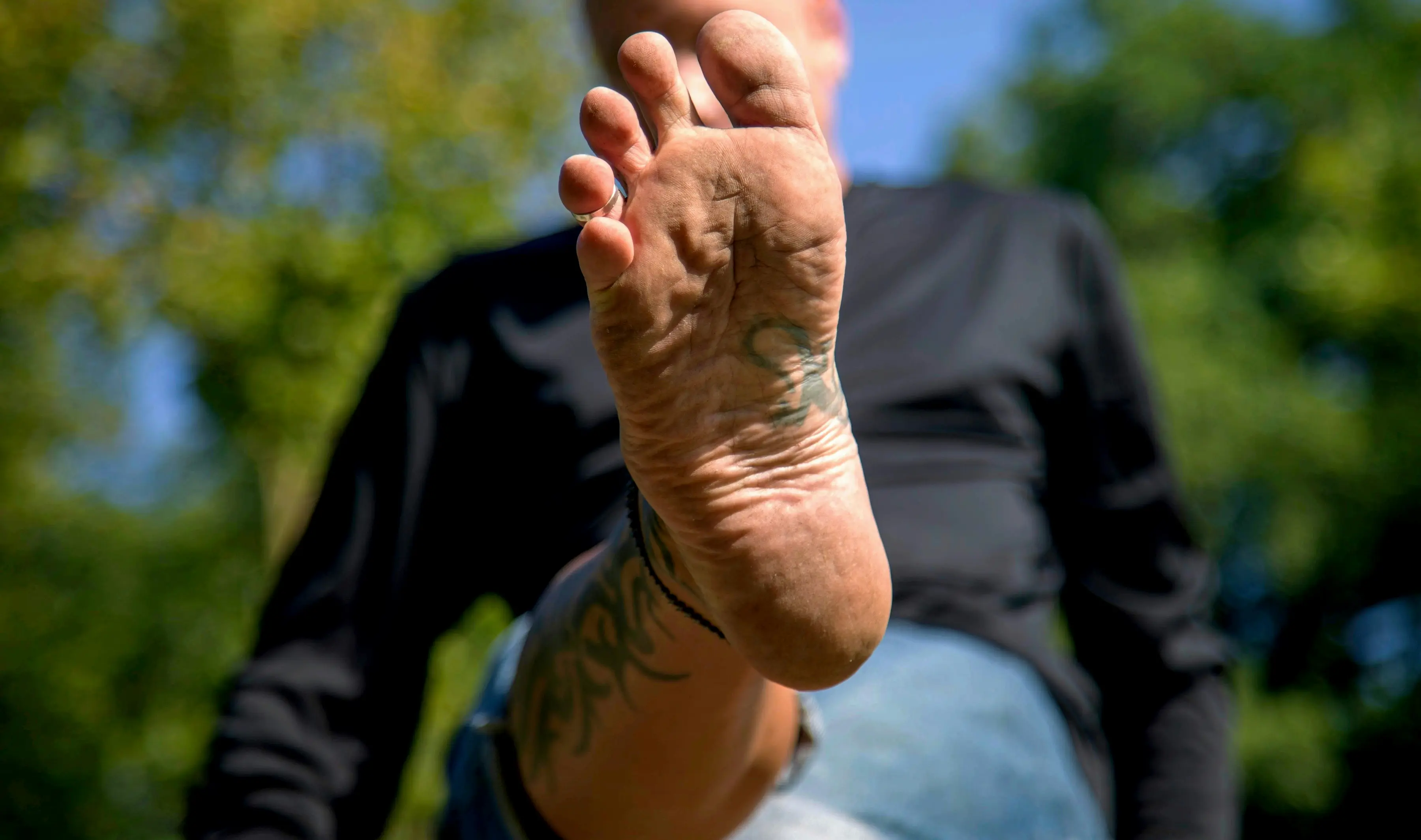
1. Step One: Get Properly Fitted at a Local Running Shop
One of the biggest factors in preventing blisters is wearing shoes that actually fit your specific feet.
Buying running shoes based solely on online reviews or style is a gamble that can end in foot pain. Your feet can swell during longer runs, and a shoe that feels snug in the store may cause black toenails or painful toe blisters several miles into a long run.
Go to an independent, local running specialty store and try on several options in person. Knowledgeable staff can evaluate your foot shape, measure your feet, and check for pressure points. They can also help you find shoes with enough toe-box room and an overall fit that keeps your foot secure without creating excessive pressure or rubbing.
Your heel should stay relatively stable while your toes have enough room to spread and move naturally.
2. Step Two: Re-Think Your Sock Setup
Socks are your second line of defense against friction. This is where many runners make a critical mistake by assuming thick, heavily padded socks are always better.
Blister-resistant socks and heavily padded socks are popular, but they are not for everyone. Thick socks can take up valuable space inside your shoe, bunch up, or hold onto moisture depending on the material.
A lightweight, moisture-wicking synthetic or wool sock often performs better. The goal is to reduce moisture against your skin while keeping the sock smooth and comfortable inside the shoe.
For most runners, 100 percent cotton socks are a poor choice because cotton absorbs and retains moisture against the skin. Once your feet get wet, friction can become a much bigger problem.
For a deeper dive into materials and sock construction, check out our full guide on how to choose the best running socks.
3. Step Three: Manage Hot Spots with Moleskin
If you are training for a half marathon or full marathon, you will likely encounter hot spots eventually. High mileage brings repetitive friction that can eventually break down even a well-fitted shoe and sock combination.
The trick is identifying those warm, tender areas on your skin before a full fluid-filled blister forms.
When you feel a hot spot developing during or after a run, apply specialized moleskin tape directly over the area before your next outing. Moleskin creates a durable protective layer that takes some of the friction instead of your actual skin.
One option is SpecOps Biosciences Thin Athletic Moleskin. Unlike thick, bulky traditional moleskin that can roll up inside your sock, this thinner version is designed to sit more flush against your skin without adding as much bulk inside your shoe.
Pro Tips for Applying Moleskin:
- Round the corners: Use scissors to round off the sharp corners of the moleskin patch. Square corners can catch on your sock and cause the patch to peel off.
- The Donut Method: If a small blister has already started forming, cut a hole in the center of the moleskin patch to create a donut shape. Place it around the blister so the surrounding skin takes the pressure and friction rather than the sensitive center of the blister.
4. Step Four: Friction Buffers and Lacing Adjustments
Beyond moleskin and socks, two simple gear tweaks can resolve lingering hot spots:
- Anti-Chafe Balm: Applying a thin layer of anti-friction balm like Body Glide to high-rub areas can reduce friction. This can be particularly useful between toes or anywhere your skin repeatedly rubs against itself or your gear.
- Heel Lock Lacing: If your heel slips inside your shoe, that movement can create the repetitive friction responsible for heel blisters. Using the top extra eyelets to create a "Runner's Loop" can help lock your heel into the back of the shoe without excessively tightening the rest of the shoe.
5. Step Five: What to Do When a Blister Happens
Even with perfect preparation, blisters sometimes happen. When you find a fluid-filled blister on your foot after a long run, should you leave it alone or pop it?
What the Medical Guidance Says
In general, leave an intact blister alone if you can.
The skin covering an intact blister provides a natural protective barrier over the damaged skin underneath. Popping it unnecessarily removes that protection and creates an open wound that is more vulnerable to infection.
Instead, protect the blister from additional friction with a bandage, blister patch, or appropriately applied moleskin.
When a Blister Needs More Attention
Large, painful, tense blisters can make walking or running difficult. If a blister is on a high-pressure weight-bearing area, it may also be difficult to protect from repeated pressure.
If a blister is extremely painful or needs to be drained, consider having it treated by a healthcare professional rather than trying to perform a procedure yourself.
If a blister has already ruptured, do not peel away the remaining skin roof. Gently clean the area with soap and water, apply a clean dressing or appropriate wound covering, and keep it protected from further friction.
6. When You Should Stop Running
Not every blister requires you to abandon a training run, but some are a good reason to take a break.
Stop running and allow the area to heal if the blister:
- Is large enough to change your running gait
- Has torn open significantly
- Makes it painful to walk normally
- Continues getting worse despite protection
- Shows increasing redness, warmth, swelling, or drainage
Signs such as pus, spreading redness, red streaks, or fever can indicate an infection and warrant medical attention.
If you have diabetes, poor circulation, or a condition that affects wound healing, talk to a healthcare professional about significant foot blisters rather than trying to manage them yourself.
FAQ
Can I run with an active blister? Sometimes. If the blister is small, intact, and does not change your running gait, protecting it from additional friction may allow you to continue running. Use a blister bandage or an appropriately applied protective dressing and stop if the pain becomes significant or your gait changes.
Why do I keep getting toe blisters? Toe blisters usually point to excessive rubbing inside the toe box. Your shoes may be too narrow, too short for your feet during longer runs, or allowing too much movement. Toenails that are too long can also contribute to irritation. Trying a shoe with a wider toe box, making sure you have enough length, and experimenting with lightweight friction-reducing socks can help.
Is moleskin better than standard bandages? They serve different purposes. Standard adhesive bandages can work for small areas, but they may slip once your feet begin sweating. Moleskin is designed to provide a more durable layer of protection against repeated friction. For an already-open blister, however, a proper wound dressing or hydrocolloid blister bandage may be a better choice than placing moleskin directly over the wound.
Looking to gear up for your next training block? Check out our Watch Finder to pair your long runs with the right GPS tracking tool, or build a personalized training plan tailored to your next race date.
This article contains affiliate links. If you purchase through them we may earn a small commission at no additional cost to you.
Related Articles
Running Sock Features, Decoded: What Actually Prevents Blisters (And What's Just Marketing)
Anti-blister, moisture-wicking, arch support, compression: sock companies throw a lot of labels at you, and most of them mean less than you'd think. Here is which features are backed by a real mechanism, which are fluff, and our picks by height, cushion, and fit.
9 min readThe Research-Backed Case for a Running Shoe Rotation (And When You Don't Need One Yet)
A lot of runners have heard of shoe rotation without ever getting a clear explanation of what it actually is, whether it works, or when you've genuinely earned one. Here is the real research, what it actually shows, and a mileage-based framework for building your own.
6 min readOvercoming Plantar Fasciitis: What Ten Years with a Stubborn Injury Taught Me About True Relief
A decade of plantar fasciitis taught me that lasting relief isn't about icing and inserts. Here is the mobility and strengthening routine that finally got me pain-free after ten years.
7 min read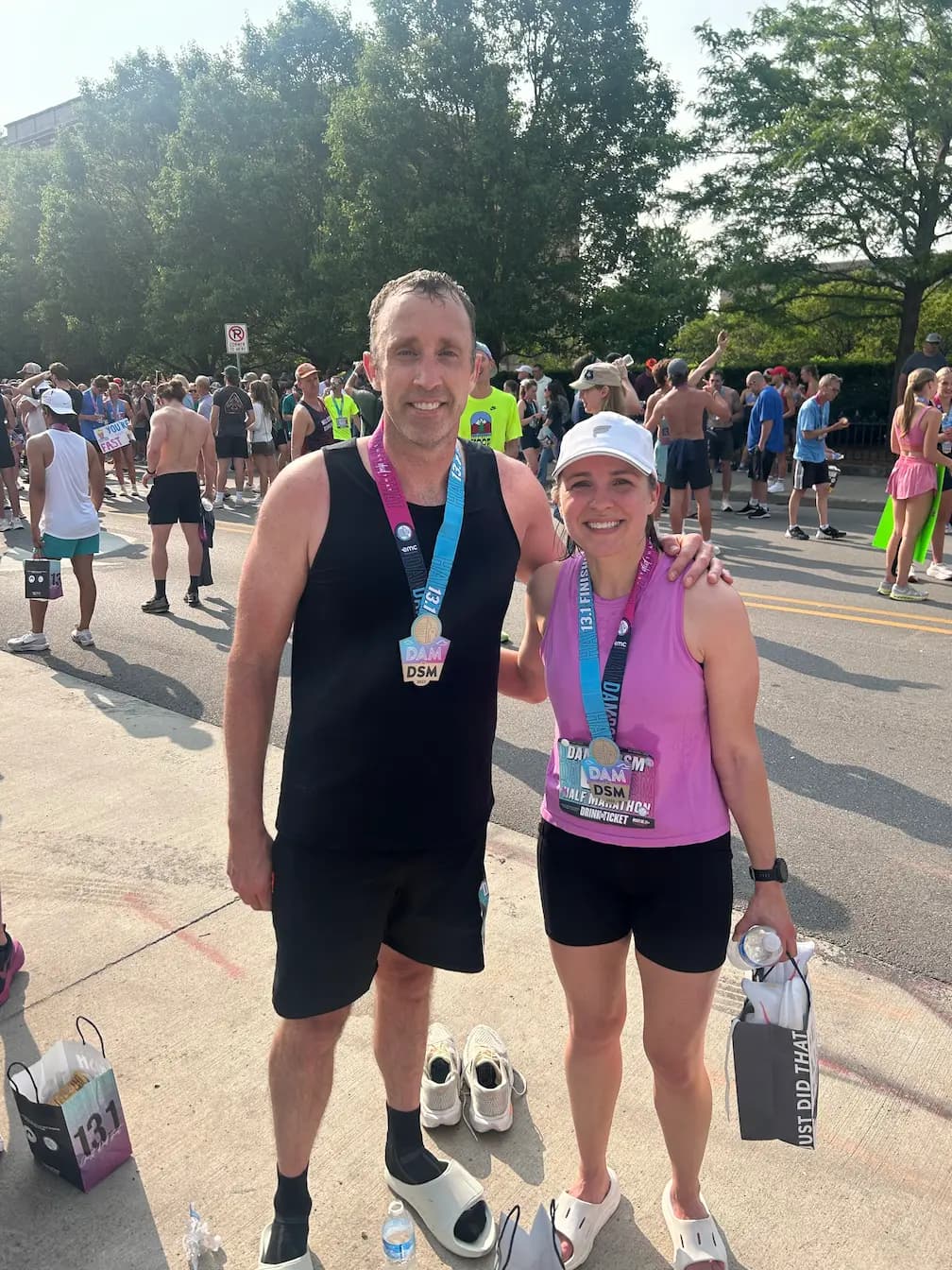
Phil Parker
Phil is a seasoned distance runner and web developer based in Iowa. He has run 15+ half marathons and 2 full marathons, and built PR Nerd because he was tired of paying for running apps that did not use real training science.
More about Phil →Comments
No comments yet. Be the first.
Leave a comment
Not published
0/1000
Ready to put this into practice?
Build your free personalized training plan based on your actual fitness — not your goal.
Build my plan →Get monthly running research, pace strategies, and fresh training articles. Zero fluff.