
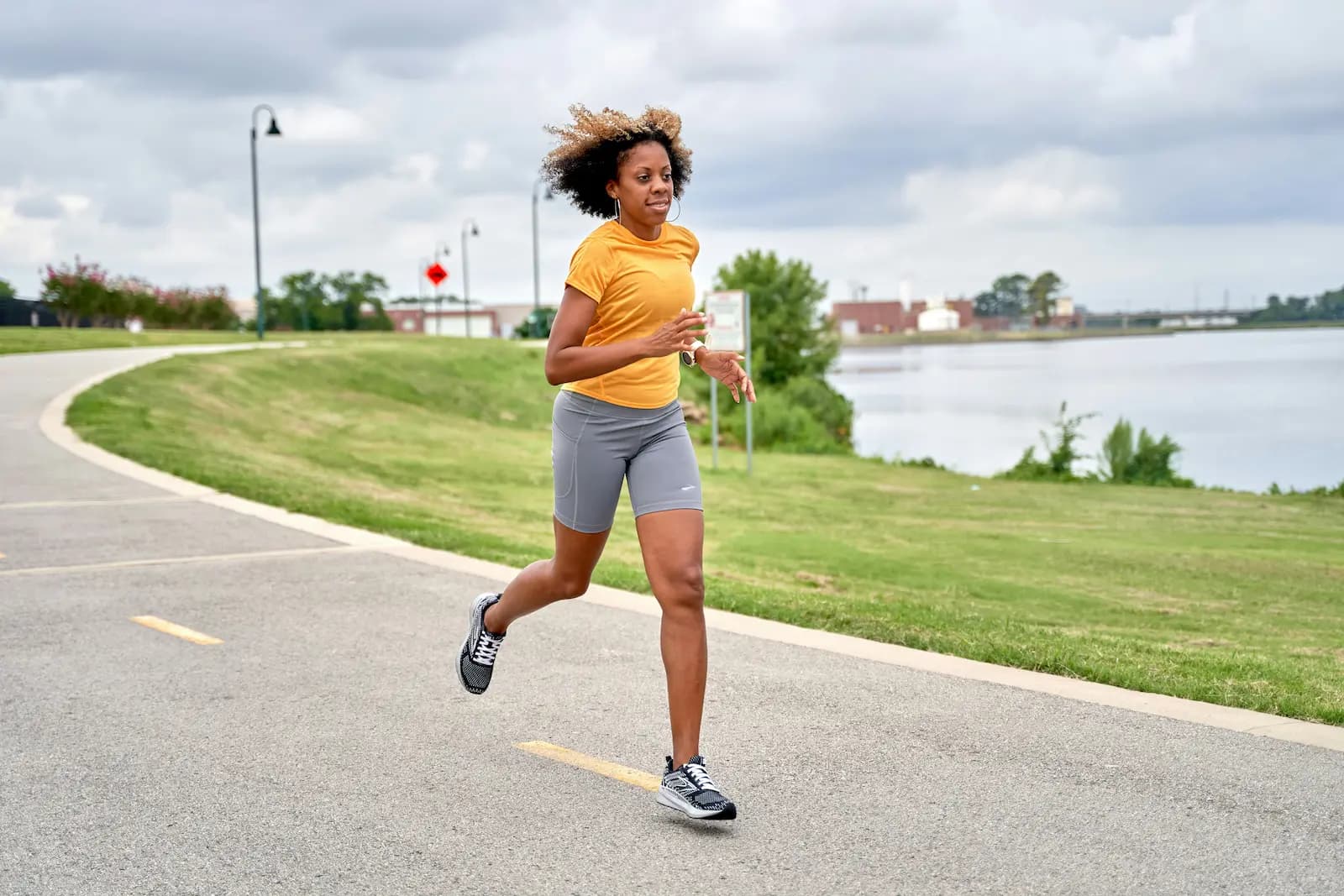
Running in the Heat: How to Survive Summer Without Melting
Summer running does not have to be miserable. Learn how to dress, hydrate, fuel, and adjust your expectations so you can train safely and consistently in the heat.
Summer running is one of those things that sounds tougher than it actually is.
Every year temperatures climb, social media fills with screenshots of heat indexes that belong on the surface of the sun, and runners start wondering if they should just take three months off.
You do not need to stop running in the summer. You just need to stop pretending July should feel like October.
The runners who survive summer training are not the toughest. They are the ones who adapt.
Accept That Your Pace Will Slow Down
This is the biggest mistake newer runners make.
You head out for a run, look down at your watch, and see a pace that is 30 to 60 seconds per mile slower than usual. Panic sets in. Have you lost fitness?
Probably not.
Heat forces your body to work harder. Your heart rate climbs faster. More blood is directed toward cooling your body. The exact same effort produces a slower pace.
This is one of the reasons I tell runners not to obsess over pace during easy runs. We talked about this in Zone 2 Running: Your Watch Is Lying To You. Summer is the perfect example of why effort matters more than what your watch says.
Run by effort. Let the pace be whatever the pace is.
Wear Less Clothing Than You Think You Need
Your goal is simple: help your body get rid of heat.
Heavy cotton shirts are terrible for this. They absorb sweat, hold moisture, and feel like you're wearing a wet blanket by mile three.
Instead, wear lightweight technical fabrics designed to wick moisture away from your skin.
Personally, I do not wear a shirt when temperatures get high enough. It is cooler, more comfortable, and one less piece of fabric holding sweat. I also understand that is not for everyone, and plenty of runners prefer lightweight moisture-wicking shirts.
Whatever you choose, the rule stays the same.
Lightweight. Breathable. Minimal.
Summer is not the season for extra layers.
Run Early or Run Late
This sounds obvious.
It is.
Yet every summer people still head out for a noon run when the heat index looks like a prank.
The coolest part of the day is usually shortly after sunrise. The second-best option is after sunset when the pavement has had time to cool down.
The difference between a 6:00 AM run and a 2:00 PM run can be enormous. Sometimes 20 degrees or more.
The hard part is not knowing this.
The hard part is planning for it.
Lay out your gear the night before. Set the alarm. Commit to getting out the door before the day gets away from you.
Future you will be glad you did.
Hydration Is Not Optional
Somewhere along the way, runners convinced themselves that suffering through a long run without water was a badge of honor. It is not.
A long run in ninety-degree weather with no fluids does not make you tough, it makes you dehydrated.
Drink water throughout the day before your run. Bring fluids on longer efforts. Rehydrate afterward.
If your run is long enough that you are wondering whether you should carry water, you probably should.
Hydration is performance.
Hydration is recovery.
Hydration is safety.
Treat it accordingly.
Electrolytes Matter More Than You Think
When temperatures rise, sweat rates rise.
When sweat rates rise, you lose more than just water.
You also lose sodium and other electrolytes that help regulate muscle function and fluid balance.
That is why replacing fluids alone is not always enough during hot weather training.
If you have ever finished a hot run feeling crampy, sluggish, or completely drained despite drinking plenty of water, inadequate electrolyte intake could be part of the problem.
I don't actually carry or drink electrolytes while I am running. Instead, I drink them as part of my recovery process after I finish. In the peak of summer, it becomes a daily habit—I drink a serving every single day, even on my rest days, to keep my baseline hydration where it needs to be.
My personal favorite electrolyte product is LMNT. It contains significantly more sodium than most sports drinks (1,000mg per packet) and it has completely eliminated that post-run brain fog and fatigue for me. I also like that you can buy LMNT in packets you put in your shaker bottle with water, or pre-made carbonated drinks in cans.
The exact brand matters less than the habit.
If you are sweating heavily, make sure you are replacing what you lose.
Plan Smarter Routes
Summer is not the time for a twenty-mile point-to-point route with no shade and no water access.
Think strategically.
Look for:
- Shaded trails
- Park loops
- Water fountains
- Routes that pass your house
- Routes where you can stash fluids
The goal is not to prove how tough you are.
The goal is to complete quality training consistently.
Smart runners make summer easier on themselves whenever possible.
Know When To Stop
There is a difference between being uncomfortable and being in trouble.
If you experience:
- Dizziness
- Chills despite hot temperatures
- Confusion
- Nausea
- Loss of coordination
- A sudden stop in sweating
End the run immediately and seek a cool environment.
Missing one workout is not a big deal.
Heat illness is.
There will always be another run tomorrow.
The Bottom Line
Running in the heat is not about toughness.
It is about adaptation.
Wear appropriate clothing. Run when temperatures are lower. Stay hydrated. Replace electrolytes. Adjust your expectations. Slow down when conditions demand it.
Most importantly, remember that summer fitness is still fitness.
The pace on your watch may look slower, but the work is still getting done.
And when cooler temperatures return in the fall, you might be surprised how strong you feel.
If you are building toward a half or full marathon race this year, PR Nerd can create a free personalized training plan with calibrated paces for every workout type. Build your plan here.
For more running advice, check out How to Fuel Long Runs and Races and Why Every Run Should Not Feel the Same.
This article contains affiliate links. If you purchase through them we may earn a small commission at no additional cost to you.
Related Articles
Beat the Heat: The Best Hot Weather Running Gear to Thrive in Summer Running
Running in summer heat and humidity can ruin a training block if you don’t adjust your gear. Here is what actually works for sweat management, hydration, chafing, and staying cool.
5 min readHow to Dress for Running in the Cold (Layer by Layer)
Cold weather running gear isn't about one magic jacket, it's a system. Here's the exact layering setup, glove strategy, and safety knowledge that's kept me running through Iowa winters.
9 min readElectrolytes for Long Runs: What Sodium, Potassium, and Magnesium Actually Do (And How Much You Need)
Everyone tells you to take electrolytes on long runs, but almost nobody tells you how much, when, or why. Here is the research on sodium, potassium, and magnesium for runs over 90 minutes, properly cited.
11 min read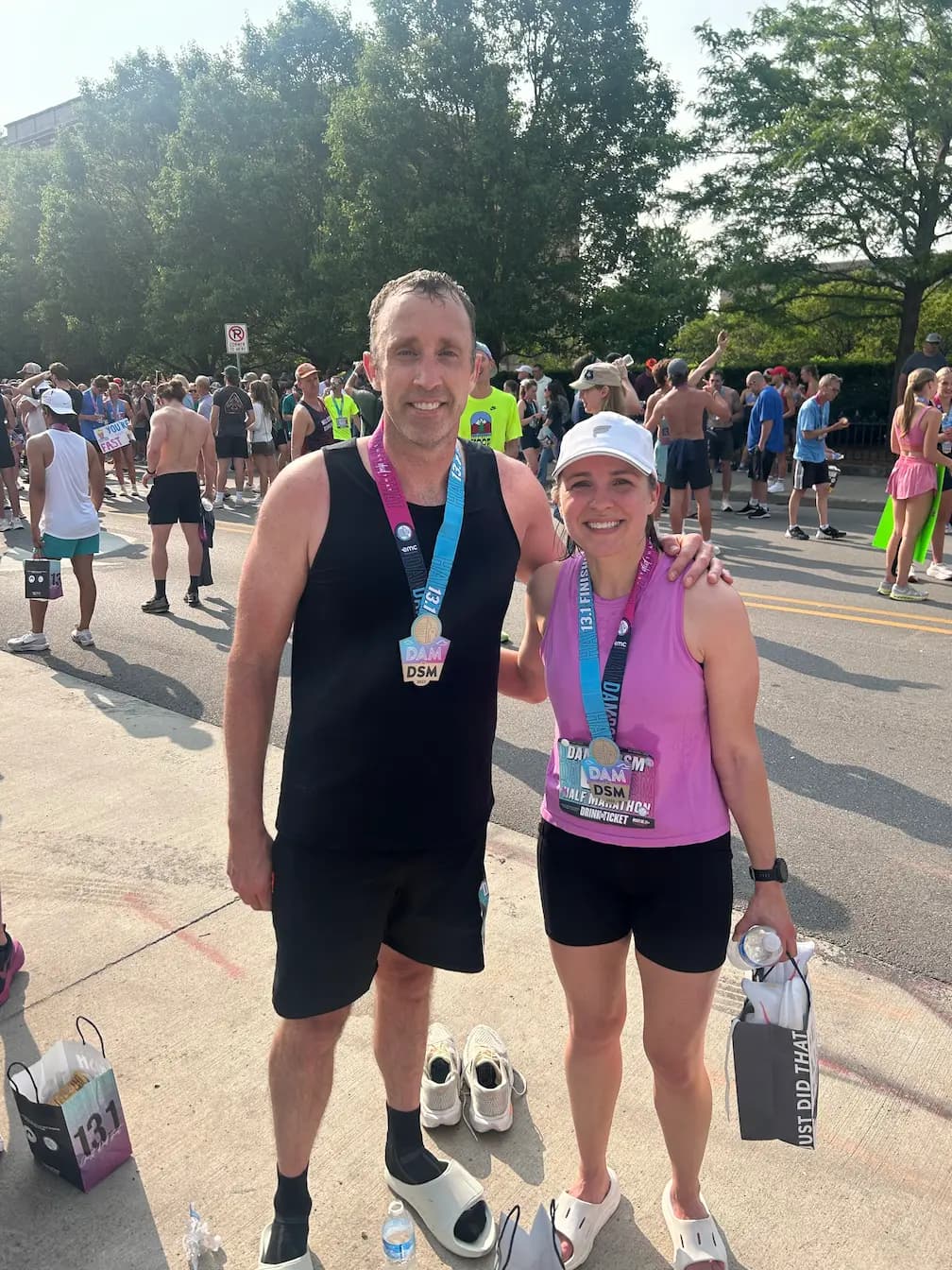
Phil Parker
Phil is a seasoned distance runner and web developer based in Iowa. He has run 15+ half marathons and 2 full marathons, and built PR Nerd because he was tired of paying for running apps that did not use real training science.
More about Phil →Comments
No comments yet. Be the first.
Leave a comment
Not published
0/1000
Ready to put this into practice?
Build your free personalized training plan based on your actual fitness — not your goal.
Build my plan →Get monthly running research, pace strategies, and fresh training articles. Zero fluff.