
Neutral, Stability, Max Cushion, Oh My: How to Pick the Right Running Shoe
Walking into a running shoe store can feel overwhelming. Neutral, stability, max cushion, racing shoes. Here is what each type actually means and how to figure out which one your foot needs.
At a recent half marathon I kept hearing this distinctive clack clack clack sound coming up behind me. Guys in Alphaflys and Vaporflys going past, that carbon plate sound unmistakable on the pavement. Racing shoes have a sound all their own.
If you have ever stood in a running store staring at a wall of shoes wondering what the difference actually is between neutral, stability, max cushion, and racing shoes, this is the article for you. The terminology is confusing, the marketing is worse, and most salespeople will fit you into whatever they have too many of. Here is what you actually need to know.
If you already know what you need, our Running Shoe Finder can match you to the top options in seconds.
Daily Trainers: Your Workhorse Shoe
Daily trainers are the foundation of any runner's shoe rotation. These are the shoes you run most of your miles in. Easy days, medium long runs, recovery runs. They are designed to be durable, comfortable, and cushioned enough to handle repeated use without breaking down too quickly.
Good daily trainers last 400 to 500 miles. If you are burning through a pair in 250 miles, you are either in the wrong shoe or running in something not designed for that workload.
Brooks Glycerin is one of the most popular daily trainers on the market for good reason. Plush cushioning, neutral fit, holds up over time. Excellent choice for high mileage training blocks.
Nike Vomero 18 is a genuinely fast feeling daily trainer with excellent cushioning and a smooth ride. My honest experience is that the outsole rubber wears through faster than it should at this price point. I was lucky to get 250 miles before the sole was worn down to the foam. Great shoe, questionable durability.
ASICS Gel-Nimbus is a long running staple in the daily trainer category. The gel cushioning is effective and the shoe holds up well over time.
Saucony Triumph is consistently ranked among the best daily trainers for its balance of cushioning and responsiveness.
New Balance 1080 features Fresh Foam cushioning that feels soft without being mushy. A reliable option for high mileage weeks.
Max Cushion Shoes: When More is More
Max cushion shoes take the daily trainer concept and push the stack height significantly higher. Hoka essentially created this category and the market has never looked back. These shoes are popular with high mileage runners, older runners, runners with joint issues, and anyone who wants maximum impact protection on long efforts.
The thick sole is not just about comfort. Research suggests that the rocker geometry of many max cushion shoes actually promotes a more efficient midfoot strike, which can reduce injury risk over time.
Hoka Clifton is the shoe that made max cushion mainstream. Lightweight for how much foam is under your foot, smooth ride, consistent across versions.
Hoka Bondi offers even more cushion than the Clifton. The most cushioned shoe Hoka makes. If you want maximum protection this is the one.
Nike Vomero Plus is one of Nike's max cushion offering. More stack height than the standard Vomero 18, designed for runners who want that plush protective feel on easy days and long runs.
Brooks Ghost Max is Brooks' entry into the max cushion category. If you already love Brooks geometry this is a natural step up in protection.
New Balance Fresh Foam More puts Fresh Foam at maximum volume. Soft, protective, and well suited for recovery runs and easy long efforts.
Stability Shoes: Built for Overpronators
Stability shoes are daily trainers or max cushion shoes with an added medial post. It is a denser section of foam on the inner side of the midsole that resists the inward rolling of the foot during the push off phase. They are designed for runners who overpronate.
Overpronation means your foot rolls inward too much after heel strike. The ankle collapses toward the inside, which puts excess stress on the knees, hips, and IT band. Stability shoes correct this without forcing an unnatural stride.
How to tell if you need a stability shoe: look at the wear pattern on your old shoes. If the inner ball of your foot shows significantly more wear than the outer edge you are likely an overpronator. A wet foot test can also help. A flat, wide footprint with little visible arch typically indicates a low arch and overpronation tendency. If your wear pattern looks relatively even across the forefoot you are probably fine in a neutral shoe.
I personally run in the Brooks Glycerin GTS. It is the stability version of the standard Glycerin and I am on my third pair. I do not have a major overpronation issue but I like the feel and support of the GTS and my knees and hips have felt consistently good throughout high mileage training blocks. Sometimes you just find a shoe that works and you stick with it.
Brooks Glycerin GTS is the stability version of the Glycerin. The support is subtle enough that the shoe does not feel corrective, just solid. Excellent durability.
ASICS Kayano is one of the most well known stability shoes on the market. Premium cushioning with reliable overpronation support.
New Balance 860 is a solid stability option in the Fresh Foam family. Good for runners who want NB's cushioning feel with added support.
Saucony Guide is lighter than most stability shoes, making it a good option for runners who want support without the added weight of a max cushion stability shoe.
Racing Shoes: The Clackers
Racing shoes are built for one thing. Going fast on race day. They are lighter, more responsive, and more aggressive than anything you would train in daily. Most feature some type of plate technology, carbon fiber or nylon, embedded in the foam that returns energy with each stride. They are also the source of that distinctive clacking sound you hear when a group of them goes by.
I raced in the New Balance Super Comp Fuel Cell Elite at a half marathon last year. Fast shoe, but the fit was never quite right for my foot and my feet paid for it in the later miles. Fit matters in a racing shoe more than any other category. You are going to be in them for a long time at high effort and there is no room for a hot spot or pressure point you did not know about.
Nike Vaporfly is the gold standard in racing shoes. What most elite runners line up in. The ZoomX foam and carbon plate combination is the benchmark everything else is measured against.
Nike Alphafly is even more aggressive than the Vaporfly. Dual air pods in the forefoot plus carbon plate. The guys going past me were in these.
Brooks Hyperion Elite 4 is Brooks' carbon plate racing shoe. If you already train in Brooks and love the fit, this is the natural race day choice.
Adidas Adizero Adios Pro is what Eliud Kipchoge has raced in. The Energy Rods technology and Lightstrike Pro foam make this one of the fastest shoes on the market.
One rule for racing shoes that cannot be broken. Never wear them in a race for the first time. The same principle that applies to gels on race day applies to shoes. We covered that in detail in how to fuel long runs and races without bonking. Get at least two tempo runs and one long run in your racing shoes before you toe the line.
Tempo and Workout Shoes: The Middle Ground
Not every quality session needs to happen in your daily trainer or your full racing shoe. Tempo shoes sit between the two. Lighter and more responsive than a daily trainer, less aggressive and more durable than a racing shoe. They are ideal for tempo runs, interval sessions, and workout days where you want to move faster without burning through an expensive race shoe.
Brooks Hyperion is the training version of the Hyperion Elite. Gets you into Brooks race shoe geometry without the carbon plate price tag.
Nike Pegasus is one of the most versatile shoes Nike makes. Works as a daily trainer for some runners and a workout shoe for others depending on your pace and preference.
Saucony Kinvara is lightweight, responsive, and significantly cheaper than most shoes in this category. A favorite for runners who want a fast training shoe without spending racing shoe money.
How to Pick the Right Shoe
Start with your wear pattern. Flip over your current shoes and look at where the sole is worn down. Heavy inner ball of foot wear means you likely overpronate and should look at stability shoes. Even wear across the forefoot means neutral shoes will work fine. Heavy outer edge wear means you may supinate and need a neutral cushioned shoe.
Get fitted at a running specialty store at least once. Not a general sports store but an actual running store where the staff watches you walk and jog. A gait analysis takes five minutes and tells you more than any online quiz.
Match the shoe to the run. Serious runners rotate two or three pairs. A daily trainer for most runs, a max cushion shoe for recovery days and very long efforts, and a racing shoe for race day. Rotating shoes extends the life of each pair and gives your feet varied cushioning stimulus.
Never introduce a new shoe on race day. This applies to racing shoes, new daily trainers, and anything you have not run in at least a handful of times.
And if you hear that clack clack clack coming up behind you, now you know exactly what it is.
Not sure which category fits your foot and budget? Try our free Running Shoe Finder and get a personalized recommendation in under a minute.
This article contains affiliate links. If you purchase through them we earn a small commission at no extra cost to you.
PR Nerd builds your free personalized training plan with calibrated paces for every workout type. Build your plan here.
Related Articles
The Research-Backed Case for a Running Shoe Rotation (And When You Don't Need One Yet)
A lot of runners have heard of shoe rotation without ever getting a clear explanation of what it actually is, whether it works, or when you've genuinely earned one. Here is the real research, what it actually shows, and a mileage-based framework for building your own.
6 min readIs Your Garmin VO2 Max Accurate? Probably Not. Here Is Why.
Your Garmin gives you a VO2 max estimate after every run. Here is what that number actually means, why it is probably wrong, and how to use it without obsessing over it.
6 min readThe Best Recovery Footwear for Runners (Your Feet Will Thank You)
You spent good money on running shoes. What you wear the other 22 hours of the day matters just as much. Here is what recovery footwear actually does and the best options for runners.
4 min read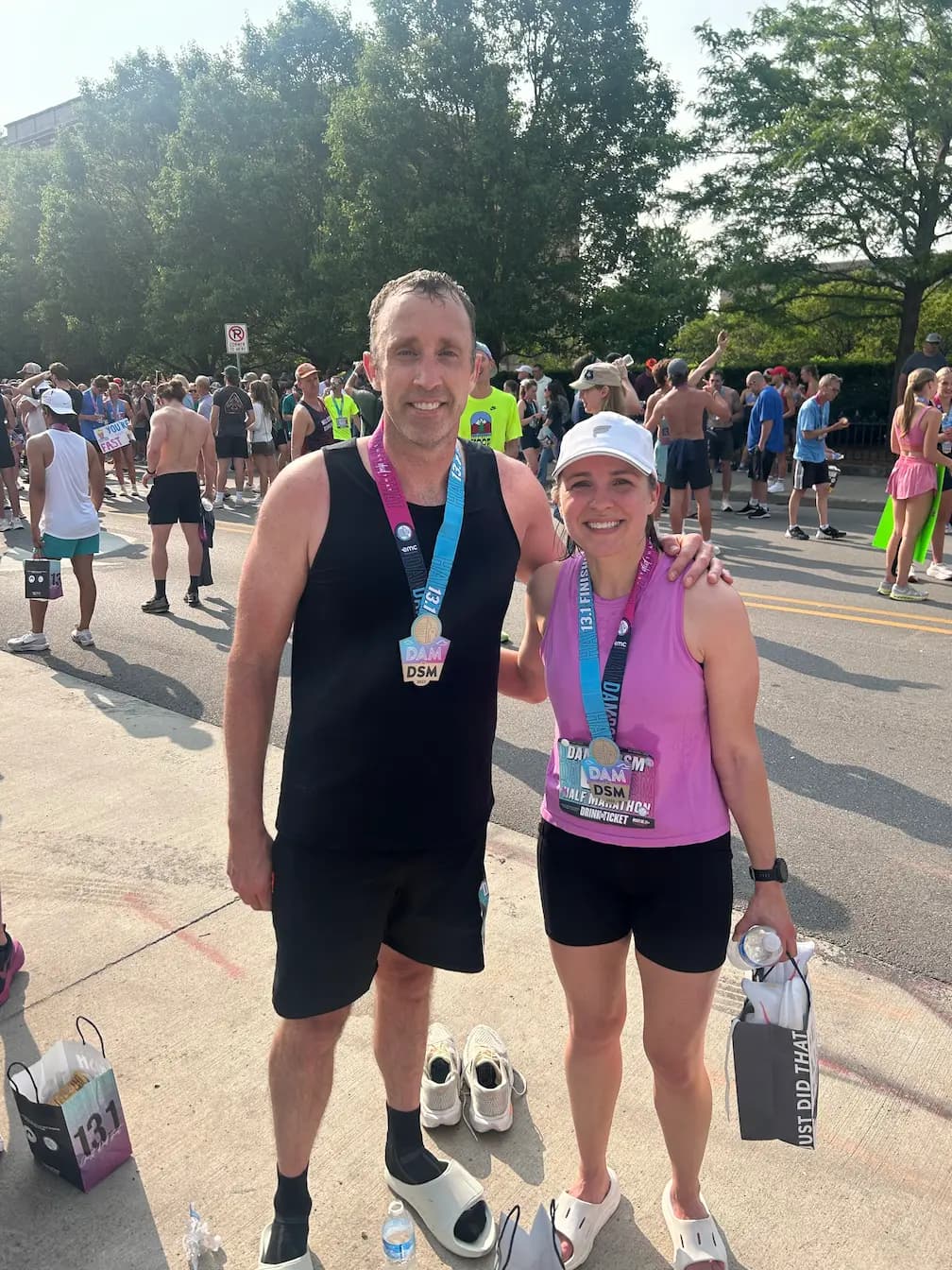
Phil Parker
Phil is a seasoned distance runner and web developer based in Iowa. He has run 15+ half marathons and 2 full marathons, and built PR Nerd because he was tired of paying for running apps that did not use real training science.
More about Phil →Comments
No comments yet. Be the first.
Leave a comment
Not published
0/1000
Ready to put this into practice?
Build your free personalized training plan based on your actual fitness — not your goal.
Build my plan →Get monthly running research, pace strategies, and fresh training articles. Zero fluff.