
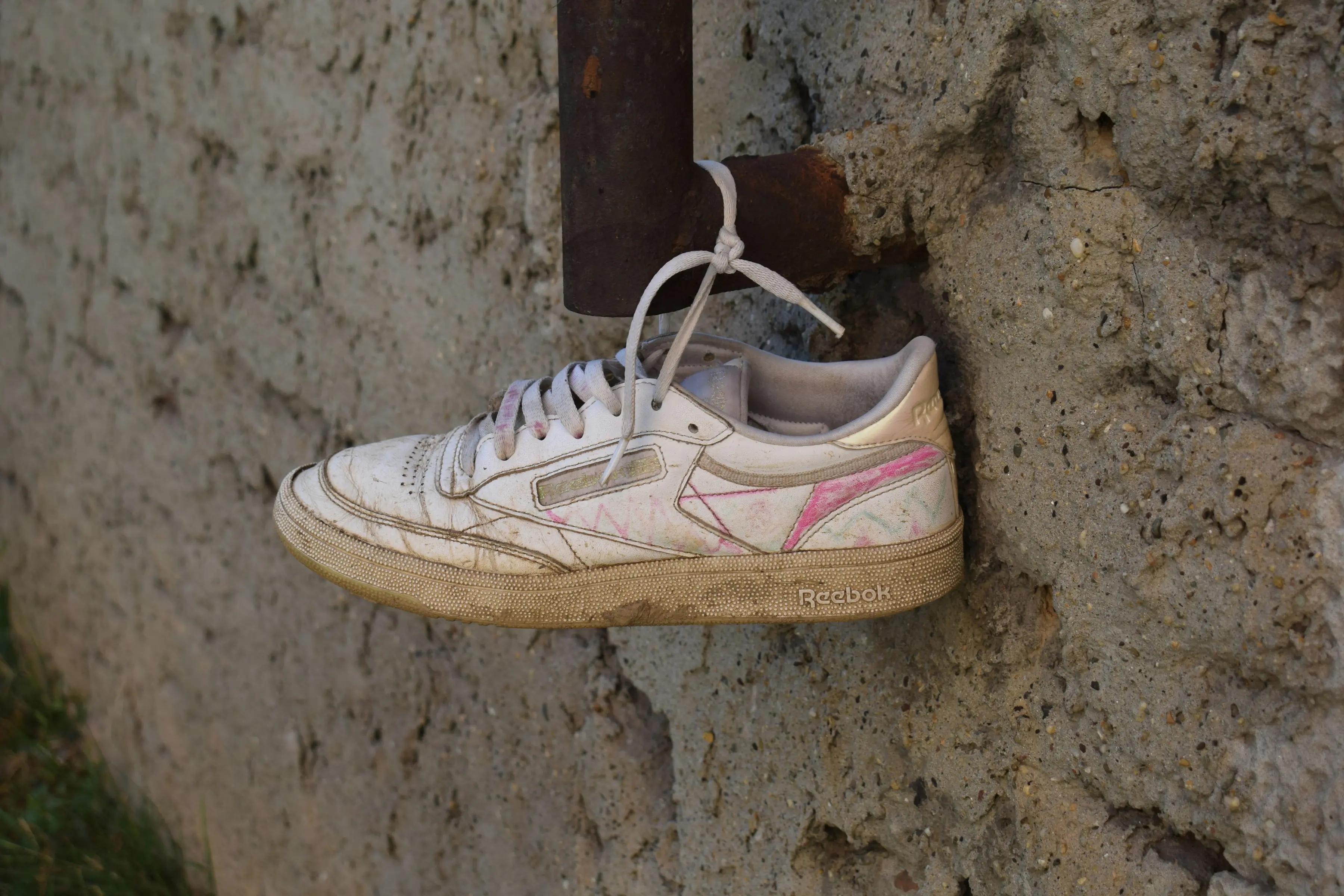
How Many Miles Do Running Shoes Last? (And How to Track Yours)
Most running shoes last somewhere between 250 and 500 miles, but your size, the shoe, and the foam all matter. Here's what the research shows, the signs your shoes are done, and how to track shoe mileage in Garmin Connect and Strava.
A few years ago, I thought I was getting hurt. My knees ached after runs, which isn't normal for me, and it kept happening. I was in a pair of Nike Invincibles. The outsole still looked fine, so I didn't think twice about the shoes. Then I checked my mileage. They had more than 400 miles on them, and there was no cushioning left.
I bought a new pair, and the aches were gone almost immediately.
That's the tricky part about running shoes. They don't always look worn out when they are. And the "replace them every 300 to 500 miles" rule everyone repeats is a pretty wide range. Here's how many miles you can actually expect, what the research says, how to tell when a pair is done, and how to track your mileage so you're not guessing.
The short answer: Most running shoes last roughly 250 to 500 miles, but there's no universal replacement number. Your shoe's construction, how it's wearing, and how it feels on your runs matter more than mileage alone. Tracking every run tells you when it's time to start paying attention.
What's In This Guide
How Many Miles Do Running Shoes Last?
Most running shoes last somewhere between 250 and 500 miles. The usual advice is 300 to 500, but I'd stretch the low end a little. I use 250 miles as a rough lower-end planning estimate, though some shoes wear out sooner. And 500 is the top end, mostly for smaller, lighter runners.
I'm a big guy for a runner, and that matters. Most shoes, I'm lucky to get 300 miles out of. My best was about 400 miles from a pair of Brooks Glycerins. On the other end, I loved the Nike Vomero 18, but I only got about 250 miles out of them before the outsole rubber was worn down to the foam.
To put that in time: if you run 25 miles a week, a 300-mile shoe lasts about 12 weeks. At 40 miles a week, it's closer to 7 or 8 weeks. That's why shoe mileage sneaks up on people. A pair can feel new because you bought it this season, even though it's already near the end.
What the Research Shows
There isn't a huge amount of research on shoe lifespan, but a few studies are worth knowing about.
Cushioning drops early, then levels off. In a classic 1985 study published in the American Journal of Sports Medicine, Cook and colleagues tested how running shoes lost shock absorption over time. On a machine that simulated running, shoes were down to about 75% of their original cushioning after 50 miles, about 67% after 150 miles, and about 60% after 500 miles. Shoes worn by actual runners held up a bit better, but followed the same pattern. The biggest losses came early, then leveled off. Foams have changed a lot since 1985, so don't read too much into the exact numbers. The pattern is the useful part.
Super shoe performance can fade with mileage. A 2023 study in the Scandinavian Journal of Medicine & Science in Sports, led by Víctor Rodrigo-Carranza, compared carbon-plated shoes with a PEBA "super foam" midsole against the same shoes with a traditional EVA midsole. When new, the PEBA shoe improved running economy by about 2% compared with the EVA shoe. After 450 km (about 280 miles) of road running, the PEBA shoe's running economy was about 2.3% worse than when it was new, while the EVA shoe showed no significant change. It was a small study of 22 trained male runners, but it's evidence that performance can fade with mileage, even when a shoe still looks fine. If you want to preserve your racing shoes' performance, save them for races and key workouts.
Worn shoes and injuries aren't clearly linked. A 2009 study in the British Journal of Sports Medicine by Kong and colleagues had 24 runners put 200 miles on air, gel, and spring cushioned shoes. Their running mechanics changed only slightly, and the impact forces measured in the lab didn't increase. Runners seemed to adjust to the worn shoes. So there isn't strong evidence that old shoes directly cause injuries.
That doesn't mean worn shoes don't matter. It means the research can't give you a magic number. My Invincibles weren't in a study, but my knees noticed. Pay attention to how your body responds, not just the miles.
What Changes How Long Your Shoes Last
Two runners can wear the same shoe and get very different mileage out of it. Here's what makes the difference:
- Your size and how you load the shoe. Your body weight and how you land may affect how quickly the foam and outsole wear. As a bigger runner, I tend to get closer to 300 miles from most shoes, so I pay attention to wear rather than assuming I'll reach 500.
- The foam. Super-light, bouncy race foams tend to wear out faster than firmer daily trainer foams. More durable foams usually feel a little less exciting, but they last.
- The outsole. Shoes with full rubber coverage last longer than shoes with lots of exposed foam on the bottom. The Adidas Boston 13's Continental rubber is a good example of an outsole built to last. Shoes with less rubber can wear through fast. My Nike Vomero Plus only has about 70 miles on it and already shows noticeable outsole wear.
- Your stride. Where you land and how you push off decides where your shoes wear first. Heavy wear on one spot can kill a shoe early even if the rest of it is fine.
- The surface. Roads and sidewalks are rougher on outsoles than treadmills, tracks, or soft trails.
- How many shoes you rotate. A shoe rotation doesn't give any single pair more total miles, but it spreads your miles out so each pair lasts longer on the calendar.
None of this means you should avoid shoes that wear out fast. The Vomero Plus is still a great shoe. Just go in knowing it won't last forever.
Expected Mileage by Shoe Type
These are practical estimates, not hard expiration dates. Actual lifespan varies by shoe model, foam, outsole construction, runner, and running conditions.
| Shoe type | Typical planning range | Notes |
|---|---|---|
| Durable daily trainer | 300 to 500 miles | Firmer foam and full rubber outsoles last the longest |
| Max cushion trainer | 250 to 450 miles | Soft foam can feel flat before it looks worn |
| Lightweight trainer | 250 to 400 miles | Less rubber means faster outsole wear |
| Carbon-plated racer | 150 to 300 miles | Performance may decline before wear is obvious; varies by model and use |
If you're not sure what kind of shoe you have, our guide to neutral, stability, and max cushion shoes breaks down the categories.
Signs Your Running Shoes Are Done
Mileage is your best early warning, but your shoes and your body will usually tell you too.
- The outsole is worn through. If the rubber is gone and you're running on bare foam, the shoe is done. This is the first thing I look for.
- New aches that weren't there before. For me, it's achy knees after runs. That's not normal for me, so when it shows up, the first thing I check is my shoe mileage. Pay attention to whatever your version of that is: sore feet, shins, knees, or hips after runs that normally feel fine.
- The cushioning feels flat. If a shoe that used to feel soft or bouncy now feels dead, the foam has broken down.
- Deep creases in the midsole. Wrinkles and compression lines in the foam, especially under the forefoot, are signs it's worn out.
- Uneven wear. If the shoe tilts when you set it on a flat table, or one side is worn far more than the other, it's not supporting you the way it used to.
Don't wait for the outsole to tell you. My Invincibles looked fine on the bottom and had nothing left inside. If you're past 300 miles and something feels off, check your shoes and consider trying a new pair. If the discomfort persists, don't assume your shoes are the only explanation, and get it checked out.
How to Track Shoe Mileage
You can't use any of this if you don't know how many miles are on your shoes. Tracking it takes a few seconds per run.
Garmin Connect
This is what I use, and it works great.
- Add your shoes. In Garmin Connect, go to Gear and add each pair with its brand and model. You can also set a maximum distance for each pair, and Garmin will notify you when it's time to retire them.
- Set your daily trainer as your default. That way, every regular run gets logged to it automatically, and you don't have to touch anything on most days.
- Switch shoes when you wear a different pair. On long runs or workouts where I wear a different shoe, I open the activity in Garmin Connect, go to the Gear tab, edit the gear, and select the shoes I actually wore.
Once it's set up, you'll always know where each pair stands. Here's what my current shoes look like right now:
- Adidas Ultraboost 5X: about 250 miles, getting close to done for me
- Brooks Glycerin: about 200 miles, but I only wear them occasionally
- Adidas Boston 13: about 100 miles
- Nike Vomero Plus: about 70 miles, already showing outsole wear
- Adidas Adizero Evo SL: just hit 10 miles
Strava
Strava has shoe tracking, too. You can add your shoes as gear and pick which pair you wore for each run. On the Strava website, under Settings and then My Gear, you can set a mileage reminder for each pair. It defaults to 250 miles, and you can raise it as high as 800. Once a pair passes that number, Strava emails you after each run in those shoes until you retire them or turn the reminder off.
Whichever app you use, the key is actually tagging your runs. A shoe rotation without mileage tracking is just a guess.
What to Do With Old Running Shoes
Turn them into yard shoes. If they're not too beat up, that's what mine become. They're great for mowing and yard work.
Don't make them your everyday shoes. I did this in my 20s and into my 30s. Then it got to the point where my feet would hurt almost as soon as I put them on. Once they're worn out for running, they're worn out. That's especially true as you get older.
Don't donate shoes that are worn out. If a pair is too worn out for you to run in, it's too worn out for someone else, too. Donate shoes that still have life left in them, like a pair that didn't fit right, and recycle the ones that are done.
Recycle them. Nike says most of its stores accept used athletic shoes in a drop-off bin, though not every type of shoe is accepted. Shoes in good enough shape may be donated, and the rest are recycled. Programs and participating stores change, so confirm with your local store before you go.
When it's time for a new pair, our shoe finder can help you narrow it down.
FAQ
How many miles do running shoes last? Most running shoes last 250 to 500 miles. Lighter runners in durable daily trainers can reach the high end. Bigger runners and runners in lightweight or racing shoes should expect the lower end.
How do I know when to replace my running shoes? Look for a worn-through outsole, cushioning that feels flat, deep creases in the midsole, and new aches after runs that normally feel fine. Track your mileage so you know when you're getting close.
Do heavier runners need to replace shoes more often? It can play a role, along with the shoe's construction, your stride, and where you run. As a bigger runner, I usually get closer to 300 miles from most shoes, so I watch for wear instead of counting on 500.
How long do carbon-plated racing shoes last? A rough planning range is 150 to 300 miles, but it varies by model and use. One small study found a PEBA super shoe's running economy was about 2.3% worse after about 280 miles, so save them for races and key workouts.
Does a shoe rotation make shoes last longer? Not in total miles. Each pair still wears out at about the same mileage. A rotation spreads your miles across more shoes, so each pair lasts longer on the calendar. Our shoe rotation guide covers the research.
How do I track shoe mileage on Garmin? Add your shoes under Gear in Garmin Connect, set your daily trainer as the default, and change the gear on any activity where you wore a different pair. You can also set a maximum distance to get a reminder.
Can old running shoes cause knee pain? Research hasn't established a clear link between worn running shoes and injuries. However, if your shoes are heavily worn and you're experiencing new aches, replacing them may be worth trying. If the pain persists, worsens, or keeps returning, see a healthcare professional rather than assuming your shoes are the cause.
This article is for general information and isn't medical advice. If you have pain that doesn't go away, see a doctor or physical therapist.
This article contains affiliate links. If you purchase through them, we earn a small commission at no extra cost to you.
Sources
- Cook, S. D., Kester, M. A., & Brunet, M. E. (1985). Shock absorption characteristics of running shoes. American Journal of Sports Medicine, 13(4), 248–253.
- Kong, P. W., Candelaria, N. G., & Smith, D. R. (2009). Running in new and worn shoes: a comparison of three types of cushioning footwear. British Journal of Sports Medicine, 43(10), 745–749.
- Rodrigo-Carranza, V., Hoogkamer, W., González-Ravé, J. M., et al. (2023). Influence of different midsole foam in advanced footwear technology use on running economy and biomechanics in trained runners. Scandinavian Journal of Medicine & Science in Sports.
Need a training plan to put those shoes to work? Build your free personalized plan.
Related Articles
The Research-Backed Case for a Running Shoe Rotation (And When You Don't Need One Yet)
A lot of runners have heard of shoe rotation without ever getting a clear explanation of what it actually is, whether it works, or when you've genuinely earned one. Here is the real research, what it actually shows, and a mileage-based framework for building your own.
6 min readThe 10% Rule for Running Is Measuring the Wrong Thing: What the Research Says About Increasing Mileage
The 10% rule isn't a proven way to prevent running injuries. Here's what research says about weekly mileage increases, long-run progression, and building mileage more safely.
10 min readAdidas Boston 13 Review: 100-Mile Durability Test
100 workout miles, a 5K PR, and almost no outsole wear. How many miles the Adidas Boston 13 should last, how it fits, and who should (and shouldn't) buy it.
8 min read
Phil Parker
Phil is a seasoned distance runner and web developer based in Iowa. He has run 15+ half marathons and 3 full marathons, and built PR Nerd because he was tired of paying for running apps that did not use real training science.
More about Phil →Follow on Strava →Comments
No comments yet. Be the first.
Leave a comment
Not published
0/1000
Ready to put this into practice?
Build your free personalized training plan based on your actual fitness — not your goal.
Build my plan →Get monthly running research, pace strategies, and fresh training articles. Zero fluff.