

Meta Ray-Ban Wayfarer Gen 2 Review: 2 Months with an Avid Runner & Tech Nerd
A 2-month daily driver review from an avid runner, tech bro, novice native plant gardener, pickleball player, AI enthusiast and skeptic, and music fan.
I bought the Meta Ray-Ban Wayfarer (Gen 2) smart glasses at the end of June 2026 with a specific job in mind: serve as my primary running headphones. I struggle with standard in-ear earbuds. No matter the silicone tip size, sweat eventually makes them slip out. I had been using Shokz OpenRun 2 bone-conduction headphones and liked them, but I wanted to see if smart glasses could give me that same open-ear convenience while combining two pieces of gear into one.
Two months of daily wear later, what started as a running experiment has turned into something I wear for almost every waking hour. Whether I'm logging marathon training miles, hitting a pickleball court, identifying native plants in my garden bed, or just listening to podcasts, these have taken over my daily routine.
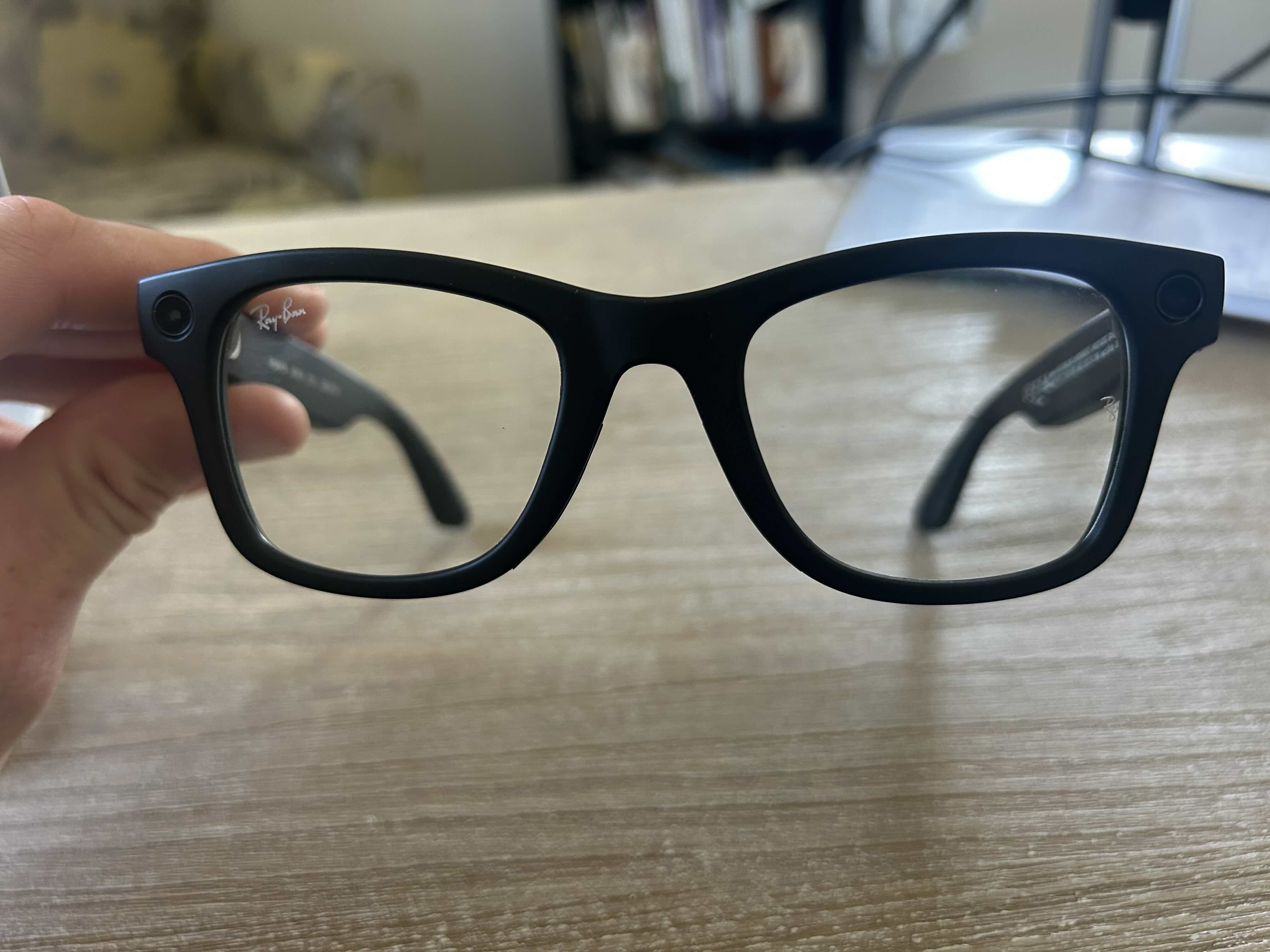
Fit, Weight, and the Transitions Upgrade
The frames are slightly heavier than a pair of standard Ray-Ban Wayfarers because of the battery, speakers, and internal tech. For the first couple of days, that extra weight made the bridge of my nose feel a bit tender. After about a week, though, my face adjusted completely, and now I barely notice it.
The biggest game-changer was getting them with Transitions® lenses. Having lenses that seamlessly adjust from clear indoors to dark sunglasses outdoors means I don't have to swap frames when I step outside for a run or sit down at my desk to work. They're my daily specs, my sunglasses, and my open-ear headphones, all in one package.

Everyday AI Features & Voice Control
As an AI enthusiast and a bit of a skeptic, I find Meta AI practical without trying to do too much. It isn't going to write complex code like Claude or handle deep multi-step reasoning like Gemini, but for hands-free utility on the go, it holds up.
You can ask quick daily questions, weather forecasts, general trivia, local info, or song selection, and it pulls back quick answers.
Where it genuinely shines is visual identification. I keep a native Iowa plant bed on the south side of my house. I can look down at a stem in the flowerbed, ask "Hey Meta, what plant is this?", and get an immediate answer without pulling out my phone.
The Meta AI app also lets you import photos taken with the glasses and edit them right there, cropping, improving lighting, or tweaking them with AI for a quick meme. The custom assistant voices add some personality too. I ran with Keegan-Michael Key for a while and recently switched over to John Cena.
Sound Quality & Microphones
The open-ear directional audio built into the temples is impressive:
- Sound Profile: Audio is crisp, clear, and loud enough to cut through ambient traffic noise while running near roads.
- Bass Response: There isn't a ton of deep bass. If you need heavy sub-bass to get through a workout, look elsewhere.
- Microphone: Voice quality on phone calls is top-tier. Everyone I've talked to while walking outside says my voice comes through crystal clear, with the 5-mic array isolating wind noise well.
If you are wanting to look at some other running headphone options, check out our article on this topic at this article on PR Nerd.
Battery Life & The Charging Case
Battery performance varies based on how hard you push the hardware:
- Casual Use: Expect roughly 6 hours of battery life with intermittent podcast listening, occasional AI prompts, and audio notifications.
- Running with Cranked Audio: Streaming music continuously at high volume drops the runtime to around 2.5 hours.
The Long Run Hack (Battery Saver Mode)
If you're out for extended training efforts, turning on Battery Saver Mode makes a huge difference. On a recent 19-mile long run that took a little over 3 hours, I turned Battery Saver on from the start and finished with 15% battery left.
The main drawback of Battery Saver Mode is that it disables the hands-free "Hey Meta" wake word. You lose voice control to switch playlists on the fly, but on long runs, the extended battery life is worth the trade-off.
The included leather charging case holds roughly 8 full charges. In practice, I only end up plugging the physical case into the wall once every couple of weeks.
Photo & Video Quality
The built-in camera is great for quick point-of-view capture, though it has one notable design quirk.
The camera uses a 0.5x ultra-wide lens. It captures a wide field of view, but it also means objects appear farther away in photos than they do to your naked eye. You might snap a picture of something close up and find it looks tiny in the center of the frame later. An option to toggle default framing to a standard 1.0x view would be a welcome update.
Video performance, however, is excellent. I've recorded POV video while playing pickleball, and the high-frame-rate capture combined with built-in stabilization produces smooth, clear action clips.
Early Verdict
What started as a search for functional running headphones turned into a permanent daily driver. If you want open-ear safety while running, hate earbud pressure, and want hands-free photo capture and casual AI tools built into standard-looking frames, the Meta Ray-Ban Wayfarer Gen 2 delivers a strong balance of tech and utility.
Buy the Meta Ray-Ban Wayfarer Gen 2 on Amazon
This article contains affiliate links. If you purchase through them we earn a small commission at no extra cost to you.
Know your training paces before you hit the road. Build your free training plan or calculate your paces from any recent race time.
Related Articles
The Best Headphones for Running (Honest Reviews from an Actual Runner)
Earbuds that fall out, bone conduction that fits weird, glasses that play music. Here is what actually works for running and what to think about before you buy.
6 min readGarmin Enduro 4 vs Enduro 3: What Actually Changed (And Who Should Upgrade)
The Garmin Enduro 4 is here at $899.99. Same case, same solar screen, same battery life. Here's what actually changed from the Enduro 3, what got cut, and who should upgrade.
6 min readGarmin Forerunner 255 Review: 2 Years Later, Is It Still Worth It in 2026?
A real 2-year ownership review of the Garmin Forerunner 255. Battery life, training metrics, running dynamics, durability, and who should buy it instead of an Apple Watch or the newer Forerunner 265.
5 min read
Phil Parker
Phil is a seasoned distance runner and web developer based in Iowa. He has run 15+ half marathons and 3 full marathons, and built PR Nerd because he was tired of paying for running apps that did not use real training science.
More about Phil →Follow on Strava →Comments
No comments yet. Be the first.
Leave a comment
Not published
0/1000
Ready to put this into practice?
Build your free personalized training plan based on your actual fitness — not your goal.
Build my plan →Get monthly running research, pace strategies, and fresh training articles. Zero fluff.