
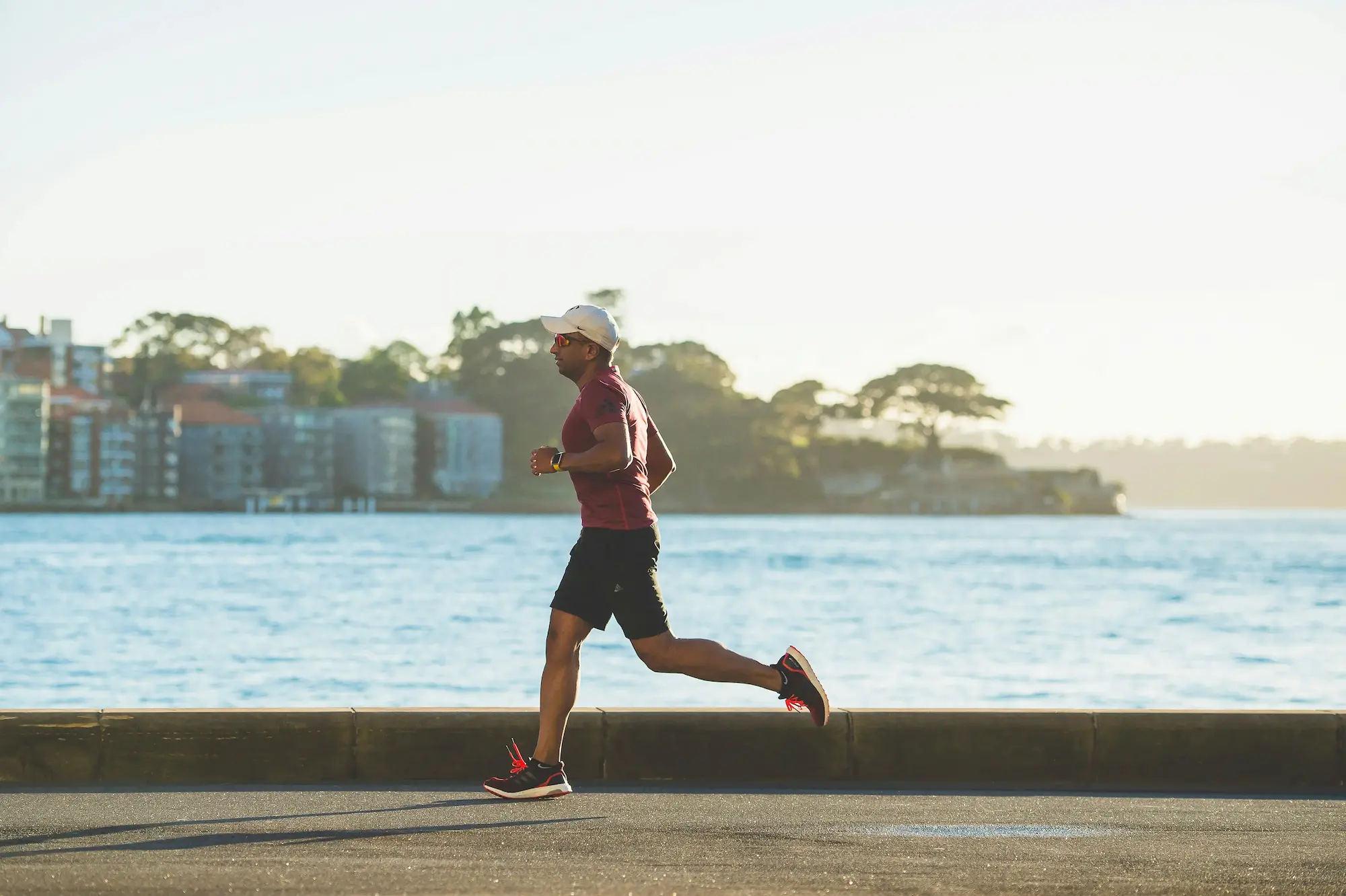
Find Your Why: 20 Years of Running Lessons From a Guy Who Almost Quit After Lap 2
I didn't start running to get fit, join a club, or chase a trend. I started because I couldn't pass a police department fitness test. Twenty years later, here's what running has actually taught me.
In late 2006, I realized I needed to start running. Why? Not to join a run club, not to lose weight, not because I needed a hobby. I needed to run 1.5 miles in 12:51 to pass a police department fitness test. That sounds pretty manageable to most 24 year olds. I was not a runner though. I never had been.
I dug out a pair of tennis shoes, not running shoes, strapped on my Casio watch, and went to the local track to see how far off I was. I lifted weights five days a week, hit the stationary bike and elliptical, and I was young. I was also overly optimistic. I went out at the pace I needed, and after two or three laps, I was done, completely smoked. That's what actually put me on the path to running. Not a gadget, not social media, not friends, not fun. Failure did.
What Training Looked Like as a New Runner in 2006
My main source of information was other runners, current or former. I knew I needed to run more and run faster, and that was about the extent of my plan. So I just ran a little further each day, four or five times a week. Over time it got easier, and my pace settled into where it needed to be. I dealt with the same thing a lot of new runners deal with, shin splints. I iced them when they flared up and kept running through it. Eventually they stopped bothering me altogether.
I was a 24 year old with a kid, so fancy running shoes weren't in the budget. I ran in the same tennis shoes I wore to work. Not ideal, but good enough. Same story with headphones, I didn't have real ones, just the stock earbuds that came with the iPod Nano I'd gotten for Christmas.
My watch wasn't tracking anything. No AMOLED screen, no dual-band GPS, none of the mini-computer stuff on your wrist today. It was a cheap Casio from Walmart. It kept time, that was it, so I had to plan my distance ahead of time to know my pace at all.
For that, I used something most people today have never heard of: Map My Run. It let me draw out a route and gave a decent distance estimate. Divide the minutes by the miles, and I had my pace.
How Did No Analytics, No High-Tech Shoes, and No Coaching Actually Work?
I probably made mistakes early on. There were stretches I overtrained, things I'd do differently now. But overall I stayed healthy, my endurance improved, my pace improved, and I actually grew to love it. I started looking forward to an early Saturday long run. It was cheap too, my only real expense was eventually buying real running shoes from Famous Footwear. Way cheaper than a gym membership, and I could get it done before my wife and kids were even up.
When I finally showed up to testing, I ran the 1.5 miles in about 11 minutes, well under the cutoff. The next time, 10:15, fastest runner there that day. I don't think that's because I was naturally gifted. I just put in the time and the miles and kept trying to do a little better each day.
In 2007 I started racing, a 5K, a 5 miler, and in 2008 my first half marathon. Races cost a fraction of what they do now, and they were mostly run by volunteers who just loved the sport. It got in my blood and it's kept me racing ever since. Having a race on the calendar is still what keeps me focused and consistent.
How Has Running Shaped Me After 20 Years?
Running has changed who I am in a few real ways. First, it's made me someone who actively looks for new challenges, in running and in everything else. I think that's a good thing. We shouldn't avoid hard things, we should look for ways to take them on.
It's also given me something team sports never did. As a kid I was a mediocre athlete, mostly because I never loved team sports. Running let me be genuinely decent at something where the only person I have to answer to is myself. No coach benching me, no teammate who won't pass, no pointless drills I'll never use in a game. I'm out there running the same race as elite athletes, nowhere close to their level, but hitting times I'm proud of. And no matter your age, there's always a shot at a PR. I ran my fastest 5K ever at 44. Some of that's better shoes and better training knowledge. More of it is the grit and the skills running itself has taught me over two decades.
How Does This Apply to Running Today?
Running isn't easy, and it isn't for everyone. It can be for almost anyone with the grit to stick with it, though some people genuinely can't run for physical reasons. When you first start, you'll feel slow, out of shape, sore, maybe even a little jealous of runners who make it look easy because they're faster than you. Extra weight makes all of that harder too, but it's not something you can't work through.
The single biggest thing I'd tell someone starting out: figure out your why. Why do you actually want to run? If you don't have a real answer, you'll probably quit. There are easier, cheaper, less exhausting hobbies out there. Running's more popular than it's ever been, so if the only reason you want to start is because everyone else is doing it, it's probably not the right hobby for you right now. That could change later, but you need a real reason to run, beyond just wanting to say you're a runner.
The good news is there are genuinely great tools to help now. Heart rate tracking has come a long way, though I'd argue it gets way too much focus in running today, more on that in Zone 2 Running: Your Watch Is Probably Lying to You. Shoes have come a long way too, not just for speed but for keeping you healthier. My first marathon in 2010, I trained in shoes that would get laughed out of any running store today. My knees and feet were sore constantly. Compare that to the max-cushion trainers I run my long runs in now, and those same aches just aren't there anymore.
Last piece of advice, for anyone getting into this and thinking you can't: you can. Take a break from running-focused social media while you're getting started. Too many people online are posting about how great they're doing, and in reality, plenty of them aren't nearly as far along as it looks, and even the ones who are, it doesn't matter. Watching them and feeling behind isn't going to help you on your own path.
Related Articles
Find Your Running Podcast: A Tool, Not Another Top 10 List
Skip the generic 'best running podcasts' roundup. Answer three questions and get matched to a show that actually fits your training, your experience level, and what you actually want in your ears.
4 min readWhy Every Run Should Not Feel the Same
Most runners run everything at the same medium effort. Not hard enough to build fitness, not easy enough to recover. Here is why pace variation is the most important thing you are probably not doing.
6 min readHow to Stop Running Clothes From Smelling (Even After Washing)
I used to throw away running shorts and shirts that weren't worn out, just too stinky to wear. Here's the exact process that's kept my gear smelling clean for years, not weeks.
6 min read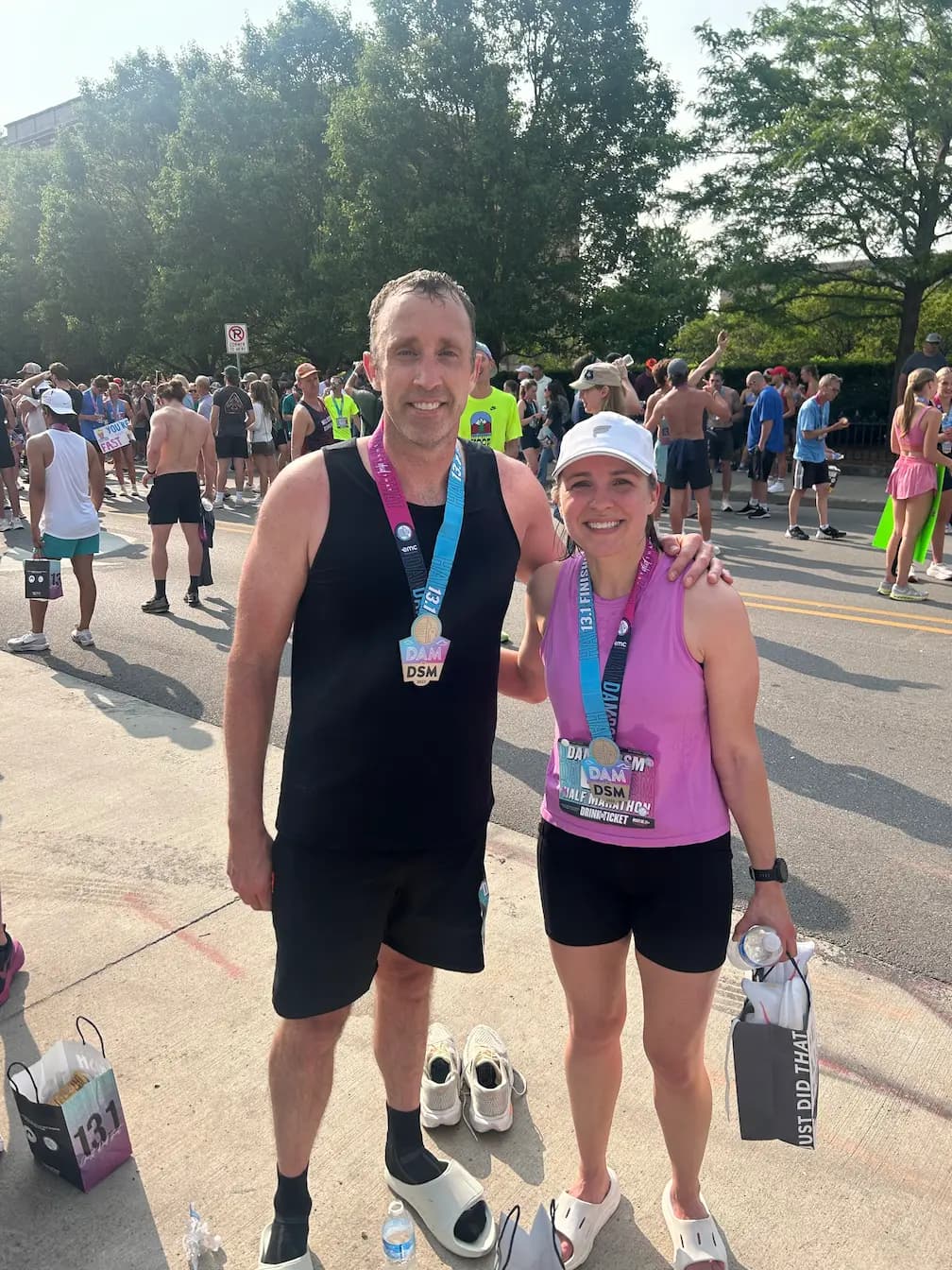
Phil Parker
Phil is a seasoned distance runner and web developer based in Iowa. He has run 15+ half marathons and 2 full marathons, and built PR Nerd because he was tired of paying for running apps that did not use real training science.
More about Phil →Comments
No comments yet. Be the first.
Leave a comment
Not published
0/1000
Ready to put this into practice?
Build your free personalized training plan based on your actual fitness — not your goal.
Build my plan →Get monthly running research, pace strategies, and fresh training articles. Zero fluff.